HVAC Tips to Keep Your Home Cool & Reduce Your Energy Costs
Updated: Jul 23
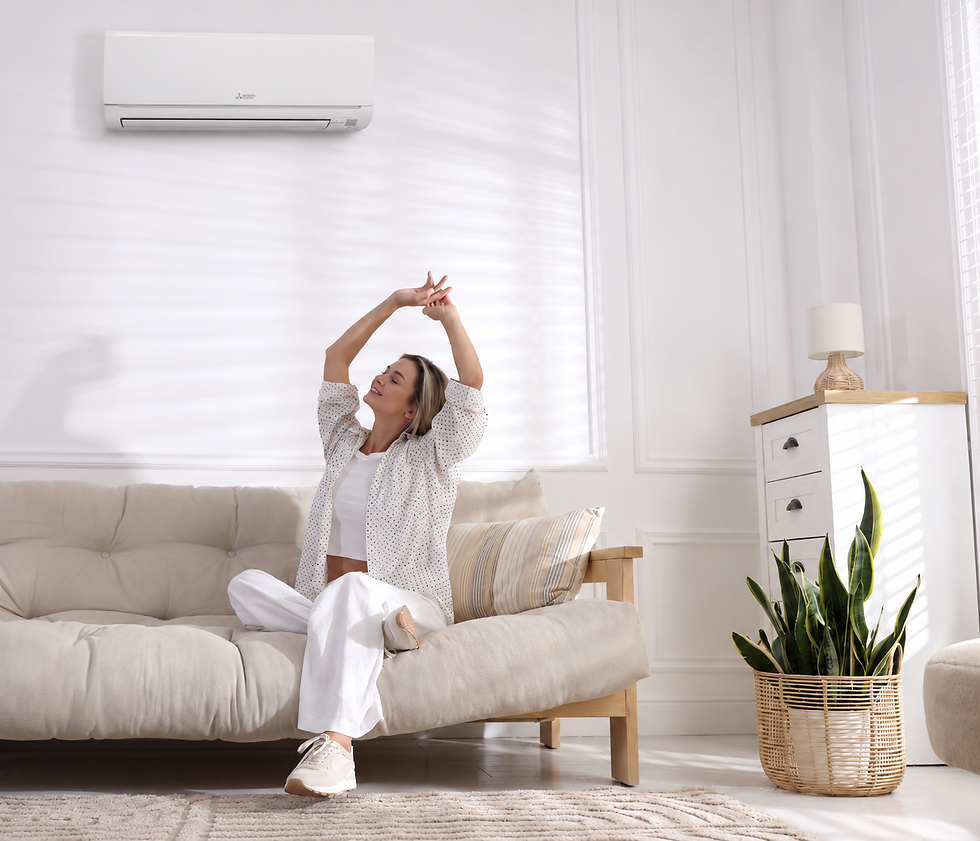
Summer is finally here. It’s time to relax and unwind a bit and hopefully, schedule that much-needed vacation! Your HVAC system, on the other hand, will be working overtime to keep your home cool and comfortable. How can you ensure it operates efficiently and avoid costly breakdowns during the hottest days of the year?
Follow these five tips from Main Stream Mechanical’s HVAC experts:
1. Resist the urge to crank down your thermostat.
When temperatures rise outside, it can be tempting to crank your thermostat down into the 60s, hoping your home cools faster. But that’s not how air conditioners work.
Your system cools at roughly the same rate regardless of the temperature setting. Lowering your thermostat to 65°F simply forces your system to run longer, consume more electricity, and place additional stress on your equipment.
Do this instead:
Aim for around 78°F when you're home. Raise the temperature a few degrees when you're away. Consider installing a programmable or smart thermostat to automate adjustments.
Smart thermostats can significantly reduce cooling costs by allowing your system to work smarter—not harder.
>Related Reading: 10 Common AC Mistakes that Cost Your Money
2. Change your air filter more often than you think you should.
If there is one maintenance task homeowners regularly overlook, it's changing their HVAC air filters. A dirty filter restricts airflow, forcing your system to work harder to circulate cool air throughout your home, leading to:
Higher energy bills
Reduced comfort
Increased wear on components
Frozen evaporator coils
Poor indoor air quality
Summer often means more pets indoors, more pollen, more dust, and longer run times—all of which can cause filters to clog faster. During peak cooling season, check your filter monthly and replace it whenever it appears dirty or gray.
>Related Reading: Improving HVAC Performance by Controlling Pet Hair and Dander
3. Give your outdoor unit room to breathe.
Many homeowners focus entirely on indoor equipment and forget about the large metal box sitting outside. Your outdoor condenser releases the heat removed from your home. When airflow around the unit becomes restricted, efficiency drops quickly.
Take a quick walk outside and look for:
Overgrown grass or weeds
Leaves and debris
Patio furniture or decorations
Mulch piled against the unit
Shrubs growing too closely
Tip: Maintain at least two feet of clearance around your outdoor unit to ensure it operates efficiently.
4. Is your older AC system worth repairing? Use the "Rule of 5,000."
If your system suddenly starts blowing warm air, making strange noises, or requiring frequent repairs, you may face a difficult question: Should I repair or replace my air conditioner?
In this situation, we recommend applying what our industry calls “The Rule of 5,000.”
System Age × Repair Cost: Simply multiply your system's age by the estimated repair cost. If the resulting number exceeds 5,000, replacement is often a more cost-effective option.
Why? Most central air conditioning systems begin experiencing frequent issues between 10 and 15 years old. Continuing to invest in aging equipment can quickly become more expensive than upgrading.
For example, a 10-year-old system with a $600 repair estimate would result in a number of 6,000 (10 × 600). Since this number exceeds 5,000, you may want to replace your system rather than repair it.
What if Your System Uses Old Refrigerants?
The industry is transitioning away from older refrigerants and toward newer A2L refrigerants such as R-454B and R-32. But if your current system is working properly, you do not need to replace it. However, keep the following in mind:
Older refrigerants are becoming more expensive.
Certain repairs may cost more in the future.
Replacement parts for older systems may become harder to source over time.
The takeaway: If you have an older HVAC system that is struggling, it may make more financial sense to replace it.
The Benefits of A2L Refrigerants
Newer systems using A2L refrigerants are generally:
More energy-efficient
Better for the environment
Designed with enhanced safety features
Capable of reducing operating costs
5. Get Your HVAC System Professionally Maintained.
Don’t wait until the first major heatwave of the summer to learn that your AC isn’t working as it should. Routine professional maintenance allows technicians to identify small issues before they become large, costly problems.
An Annual Tune-up Will:
Improve system efficiency
Reduce energy consumption
Extend equipment life
Catch failing components early
Improve overall reliability during peak summer usage
As with changing the oil in your car, preventive HVAC maintenance will ensure your system runs efficiently and help you avoid costly repairs.
Stay Comfortable All Summer Long
Keep your HVAC system running efficiently and avoid costly emergency repairs by scheduling annual maintenance.
Contact Main Stream Mechanical today at 978-834-0849 or visit us online.


Comments